
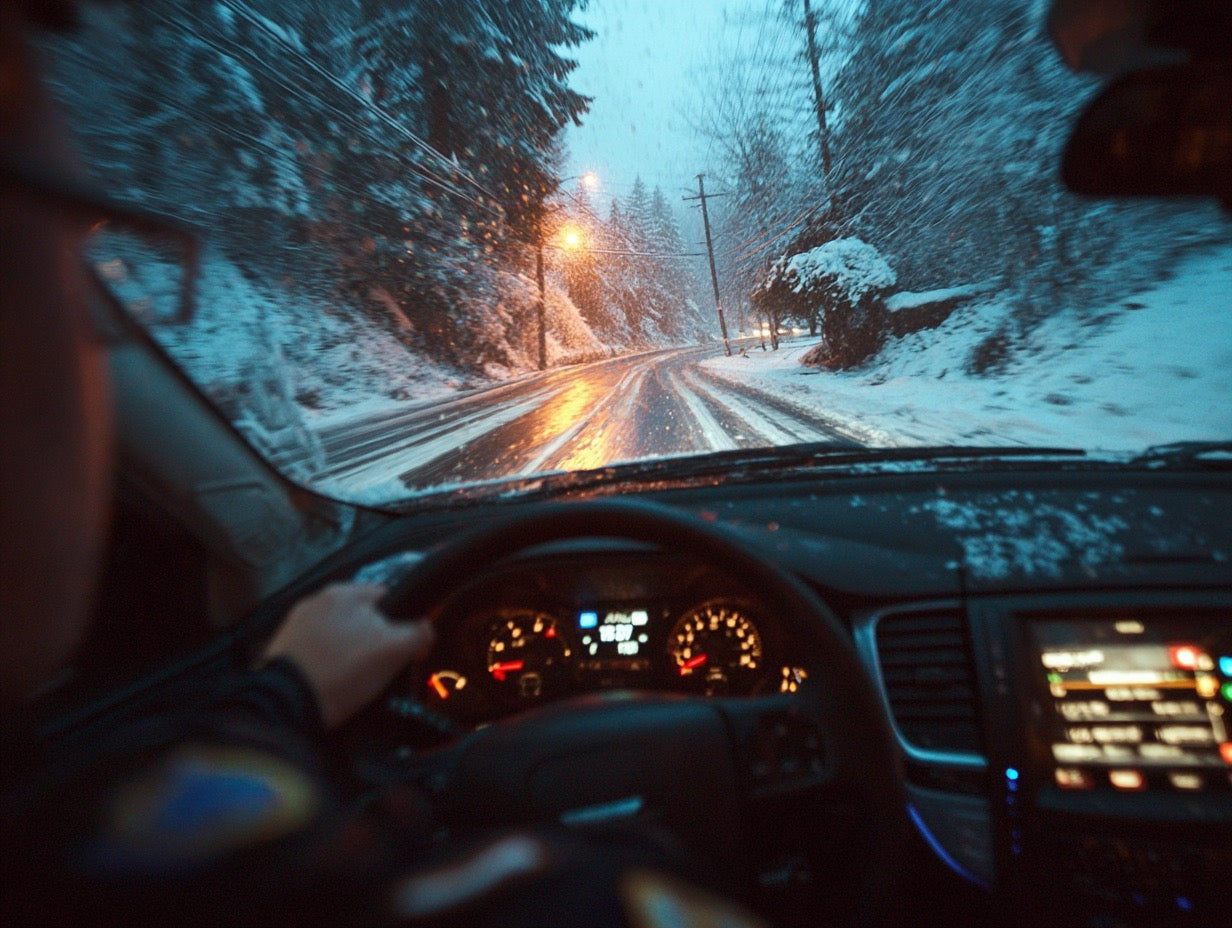
The holiday season in Michigan is a time filled with family get-togethers, office parties, and winter festivities. While celebrating can be a joyful experience, too many drivers find themselves facing serious consequences when alcohol and driving mix. Every December, Michigan courts see a sharp rise in arrests for drunk driving offenses, known under Michigan law as Operating While Intoxicated (OWI). Avoiding these common mistakes can help keep you, your family, and others safe—and can save you from life-altering legal consequences.
Understanding DUI (OWI) in Michigan
In Michigan, “DUI” is a term many people use to refer to drunk driving, but under the law, the correct term is Operating While Intoxicated (OWI). The law covers driving under the influence of alcohol, controlled substances, or any combination that affects your ability to safely operate a vehicle. You can even be charged if your blood alcohol concentration (BAC) is below the legal limit, provided the officer determines you were “visibly impaired.”
Michigan’s main drunk driving offenses include:
- OWI (Operating While Intoxicated): This charge applies when a driver has a BAC of 0.08% or more, or shows signs of impairment due to alcohol or drugs.
- OWVI (Operating While Visibly Impaired): A lesser offense, but still serious, where a driver’s ability to operate a vehicle is visibly reduced due to alcohol or drug use.
- High BAC “Super Drunk” Offense: Applies when a driver’s BAC is 0.17% or higher. The penalties and license consequences are much harsher.
- OWI Causing Injury or Death: Felony-level offenses involving accidents that result in bodily harm or fatalities. These carry potential prison time and lifelong consequences.
Understanding these distinctions is crucial if you plan to enjoy alcoholic beverages during the holidays. Even a single drink can have a bigger effect than you realize, especially in winter conditions where reaction time and awareness are already affected.
Mistake #1: Thinking You’re “Okay to Drive” After a Few Drinks
One of the most common DUI mistakes in Michigan is underestimating your level of impairment. You may feel “fine,” but alcohol affects everyone differently—and police officers are trained to detect even minor signs of impairment.
Michigan’s OWI law doesn’t require you to blow over the 0.08% limit to be arrested. If an officer believes your ability to operate a motor vehicle is impaired, they can arrest and charge you under the OWVI statute. This means that “only two drinks” can still get you in trouble depending on your body composition, the time between drinks, and your eating habits.
During the holidays, when parties last for hours, it’s easy to lose track. The safest decision is always to arrange a ride beforehand, use a designated driver, or utilize rideshare services. Michigan law takes impaired driving seriously year-round, but courts are especially strict during holiday enforcement periods.
Mistake #2: Not Understanding Michigan’s Implied Consent Law
Another frequent error is refusing to take a chemical test. Michigan’s implied consent law means that by driving on public roads, you have agreed to submit to a breath, blood, or urine test if an officer lawfully arrests you for OWI. Refusing the test after arrest triggers automatic consequences through the Michigan Secretary of State.
If you refuse, you will face an implied consent suspension—a mandatory one-year license suspension for a first refusal. You have only 14 days from the arrest to request a hearing with the Secretary of State to contest the suspension. Miss the deadline, and there is no second chance to restore your driving privileges without serving that suspension period.
This isn’t the same as refusing a preliminary breath test (PBT) at the roadside, which is a civil infraction. The key difference is whether you’ve been arrested. Once arrested, opting out of the official test is one of the biggest and most damaging DUI mistakes under Michigan law.
Mistake #3: Talking Too Much to Police
When Michigan drivers are pulled over, it’s natural to be nervous. Unfortunately, many people talk themselves into deeper legal trouble. You are required to show your license, registration, and proof of insurance, but you are not required to answer every question the officer asks.
For instance, when asked “Have you been drinking tonight?” any admission—even one drink—can become part of the evidence against you. The officer’s camera and microphone capture nearly every word. The safest approach is to be polite but limit your answers. You can lawfully state that you prefer to speak to an attorney before answering questions.
Anything you say after being stopped can be used in court. This is especially important if your BAC is close to the limit or if you plan to contest the charge later.
Mistake #4: Not Taking Field Sobriety Tests Seriously
In Michigan, field sobriety tests—like the walk-and-turn, one-leg stand, or horizontal gaze nystagmus—are used to establish probable cause before an arrest. These are not scientific tests, but officers are trained to observe and record even small signs of failure. Many people perform these tests in winter conditions—on icy roads while wearing heavy clothing—which can lead to poor results even for sober drivers.
The results of these tests often become key evidence at trial. How you perform, and even how cooperative or argumentative you appear, can influence an officer’s decision to arrest. While you are not legally required to perform these roadside tests, politely refusing can still prompt an arrest. However, your attorney may have stronger grounds to challenge the probable cause later.
Mistake #5: Underestimating the Consequences of a Michigan DUI
Even a first offense OWI in Michigan carries serious penalties that extend far beyond fines. They can affect your career, insurance rates, and driving record for years.
The typical penalties for a first offense OWI include:
- Fines up to $500 plus court costs
- Possible jail time (up to 93 days)
- License suspension for up to six months, with restrictions after 30 days
- Six points on your driving record
- Mandatory alcohol education program or treatment
- Community service hours
If your BAC was 0.17% or greater, the fines increase up to $700, possible jail time to 180 days, and a one-year license suspension. With each additional offense, the penalties escalate significantly, including mandatory jail time and potential vehicle immobilization.
Many drivers wrongly assume that because it’s their first offense, a judge will “go easy.” The reality is that Michigan judges, especially in the 35th District Court serving Plymouth, Canton, and Northville, treat OWI cases with consistency and care. A mistake during the holidays can carry penalties that affect your entire year—and beyond.
Mistake #6: Waiting Too Long to Contact a DUI Attorney
Time is critical in every Michigan DUI case. Whether you need to challenge a license suspension, request discovery from prosecutors, or negotiate reduced charges, acting early gives your defense the best chance of success. The holiday season often delays mail and court scheduling, which means important deadlines can sneak up faster than you expect.
A skilled OWI defense attorney can evaluate whether the traffic stop was legal, whether the chemical test was administered properly, and whether constitutional rights were violated. These factors can lead to dismissals, reduced charges, or more favorable plea agreements.
If you or a loved one are facing DUI charges, contact Michigan criminal defense lawyer Aaron J. Boria today at (734) 453-7806 for a free consultation. Our office has successfully handled OWI, OWVI, and high BAC cases across Southeast Michigan, achieving reduced charges, dismissals, and driver’s license restorations.
Mistake #7: Ignoring the Driver’s License Impact
Beyond the criminal penalties, Michigan DUI convictions come with administrative penalties through the Secretary of State. Many drivers are shocked when they discover their license has been suspended, restricted, or revoked even after the case is resolved in court. This is because Michigan treats licensing separately from criminal proceedings.
For example, a first offense OWI may result in a 30-day suspension followed by a 150-day restriction period. A second offense within seven years can trigger a revocation—a complete loss of driving privileges. Getting it back requires a driver’s license restoration hearing. Losing the ability to drive can impact your job, family obligations, and finances. That’s why having an attorney who also understands the restoration process is essential.
Holiday parties and social events can make it tempting to take the risk of “just driving a short distance,” but a single conviction can lead to weeks or months without lawful driving privileges.
Mistake #8: Assuming Pleading Guilty Is Your Only Option
Many Michigan drivers think they have no defense once they have failed a breath test or appeared intoxicated. However, DUI cases are highly technical. Police must follow exact procedures for traffic stops, chemical testing, and arrest documentation. If any of those steps were done incorrectly, the evidence could be challenged or suppressed.
There are numerous possible defenses in an OWI case, including:
- Unlawful traffic stop or lack of probable cause
- Improper calibration or maintenance of the breathalyzer device
- Violation of Miranda rights
- Medical conditions that mimic signs of impairment
- Errors in testing protocol or blood chain-of-custody
An experienced lawyer evaluates every detail. Pleading guilty might seem like the fastest way to “move on,” but it often carries long-term costs you could have avoided with proper legal guidance.
Mistake #9: Not Realizing How a DUI Affects Employment and Insurance
Another overlooked consequence is the impact a Michigan drunk driving conviction can have on your career and insurance rates. Many employers run background checks, and a DUI appears on your criminal record unless the charge is dismissed or reduced. Professional licenses for nurses, teachers, and government employees can also be affected.
Auto insurance premiums can skyrocket after a conviction—sometimes doubling or tripling. Insurers may require SR-22 filings, which are proof of financial responsibility that must be maintained for several years after reinstatement. The best way to prevent these financial burdens is through aggressive legal defense before conviction ever happens.
Practical Tips for Staying Safe This Holiday Season
Beyond avoiding mistakes, there are smart steps to plan a safe and enjoyable holiday season:
- Plan your transportation in advance. Choose a designated driver or arrange a rideshare before the party starts.
- Stay overnight. If your celebration is at a friend’s house, consider staying until morning—no one regrets playing it safe.
- Keep an eye on friends. Offer rides or help arrange them if you notice someone has been drinking.
- Be cautious with medications. Holiday cocktails mixed with prescription drugs can still trigger an OWI under Michigan law.
- Be aware of weather conditions. Snow, ice, and darkness amplify the risks of impairment. Even if you feel sober, winter driving requires full alertness.
Michigan’s drunk driving laws are designed to protect everyone on the road. Avoiding these preventable mistakes not only keeps you safe but also spares you months of legal stress, expense, and uncertainty.
Share:
What to Expect If You're Arrested for Domestic Violence on Christmas Eve: Legal Insights and Advice
Clear Your Record Before the New Year: Understanding Michigan Expungement Timelines