
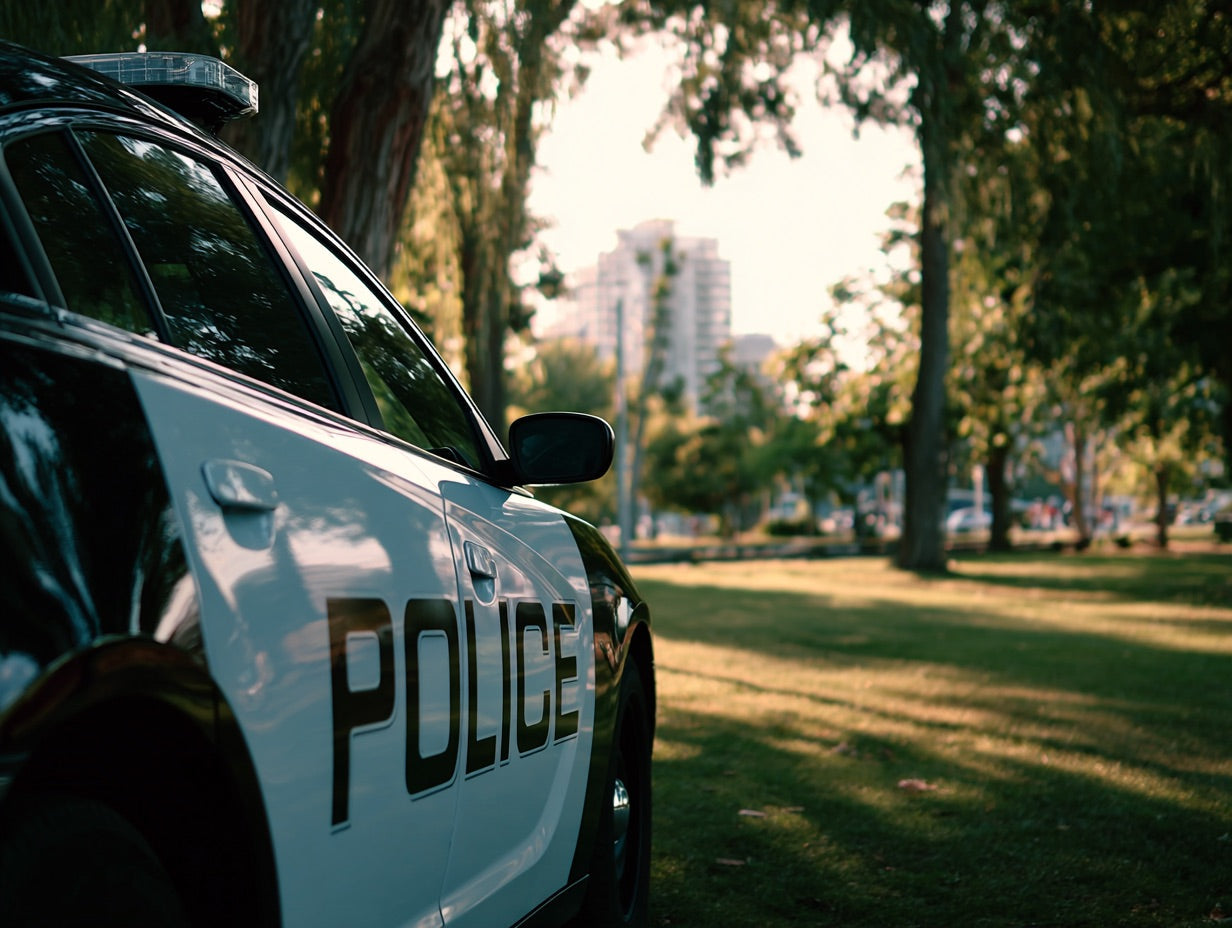
After an inspiring night at Mel Robbins’ “Let Them” tour stop at Detroit’s Fox Theatre, it’s easy to feel on top of the world. The energy, the crowd, and the message can stay with you long after the final applause. But as thousands of attendees make their way home through metro Detroit, Michigan drivers face another reality — heavy traffic, potential fatigue, and, unfortunately, law enforcement keeping a close eye on impaired driving.
If your evening took an unexpected turn and you found yourself pulled over after the event, knowing what to do next can make all the difference. In Michigan, DUI charges (officially referred to as OWI — Operating While Intoxicated) are serious offenses with significant legal, financial, and personal consequences. This post will help you understand your rights, walk through each stage of the DUI process, and explain what to expect under Michigan law.
Understanding OWI Under Michigan Law
In Michigan, what many people commonly refer to as a DUI is legally known as OWI — Operating While Intoxicated. Under Michigan Compiled Laws (MCL 257.625), it’s illegal to operate a vehicle while under the influence of alcohol, drugs, or a combination of both if your ability to do so safely is impaired.
OWI laws apply to more than just alcohol. You can be charged if you’re impaired by a prescription medication, marijuana, or any controlled substance that affects your ability to operate a vehicle safely. Even if your blood alcohol concentration (BAC) is below 0.08%, officers can still arrest you if they believe you’re visibly impaired behind the wheel.
Types of OWI-Related Offenses
- Operating While Intoxicated (OWI): The standard charge for driving with a BAC of 0.08% or higher, or when visibly impaired by drugs or alcohol.
- Operating While Visibly Impaired (OWVI): A lesser charge that applies when alcohol or drugs have noticeably affected your ability to drive safely, even if your BAC is below 0.08%.
- High BAC “Super Drunk” OWI: Applies when your BAC is 0.17% or higher. Penalties are significantly more severe.
- OWI Causing Injury or Death: A felony charge that carries harsh penalties, including potential prison time.
- Minor OWI (Zero Tolerance): For drivers under 21, any measurable BAC (0.02% or higher) can result in charges.
What Happens When You’re Pulled Over After a Concert
Leaving a major Detroit event like Mel Robbins’ tour often means navigating slow traffic and visible police patrols near Woodward Avenue and I-75. Michigan law enforcement often increases presence in these areas to ensure drivers are sober and safe.
If you’re stopped, it’s important to remain calm, respectful, and mindful of your legal rights. The officer will likely approach your window and initiate a discussion about your driving or other observed behavior.
During the Stop
The officer may ask where you’re coming from and whether you’ve had anything to drink. While you must provide your license, registration, and proof of insurance, you do not have to answer potentially incriminating questions about alcohol use or your evening.
Next, the officer may ask you to step out of the vehicle to perform standardized field sobriety tests (such as the walk-and-turn or one-leg stand). These are voluntary, meaning you have the right to decline them. However, refusing the chemical test (breath, blood, or urine) after an arrest carries more serious consequences due to Michigan’s implied consent laws, discussed below.
Implied Consent and Refusing a Chemical Test
Under Michigan’s Implied Consent Law (MCL 257.625c), every licensed driver automatically agrees to submit to a chemical test if arrested for OWI. Refusing this test will lead to an automatic one-year suspension of your driver’s license and six points added to your driving record — even before your criminal case is decided.
If it’s a second refusal within seven years, the suspension increases to two years. You may be eligible to appeal this administrative suspension to the Michigan Secretary of State, but strict deadlines apply. It’s critical to contact a lawyer immediately to preserve your right to challenge the implied consent suspension.
The Arrest and Booking Process
If the officer believes you’re intoxicated, you’ll likely be placed under arrest and transported to the nearest facility for booking. In Wayne County (where Detroit is located), this typically means fingerprinting, photographing, and recording basic information. You’ll then be held until you can be released on bond or arraigned in court.
Importantly, everything that happens from the moment of your arrest can impact your case — including what you say and how you behave. Statements made during or after the arrest may be used by prosecutors later. Politely exercising your right to remain silent and your right to an attorney is almost always in your best interest.
Understanding the Michigan DUI Court Process
1. Arraignment
Your first court appearance is the arraignment. If your arrest occurred in Detroit or a nearby area, you may appear in the 36th District Court (located at 421 Madison Street, Detroit, MI 48226). During this hearing, the judge will formally read the charges against you, explain your rights, and set conditions of bond (which may include alcohol testing or a travel restriction).
2. Pretrial Conferences
The pretrial stage is where your attorney negotiates with the prosecutor, reviews discovery materials, and challenges evidence that could be inadmissible. Many DUI cases are resolved during pretrial hearings—through plea negotiations, motion hearings, or dismissals based on constitutional violations.
3. Evidentiary Motions
Effective defense lawyers routinely file motions challenging the legality of the stop, the arrest, or the way chemical tests were conducted. For example, if the officer lacked reasonable suspicion to pull you over or violated your rights during the investigation, evidence might be suppressed, significantly weakening the prosecution’s case.
4. Trial
If your case proceeds to trial, it will either be a bench trial (before a judge) or a jury trial. The prosecutor must prove beyond a reasonable doubt that you were operating a motor vehicle while intoxicated. Your attorney can challenge the accuracy of breath or blood tests, cross-examine witnesses, and present evidence of improper police procedure.
5. Sentencing
If convicted, your sentence will depend on your offense level, BAC, and criminal history. Michigan’s DUI penalties increase with each offense and can include fines, probation, community service, mandatory education or treatment, ignition interlock requirements, and jail time.
Michigan OWI Penalties Explained
First Offense OWI
- Up to 93 days in jail
- Fines between $100 and $500
- Up to 360 hours of community service
- License suspension for up to 180 days (restricted after 30 days with interlock requirements)
High BAC (“Super Drunk”) OWI
- Up to 180 days in jail
- Fines up to $700
- 1-year license suspension
- Mandatory alcohol treatment program
- Ignition interlock installation required for license reinstatement
Second Offense OWI (within 7 years)
- 5 days to 1 year in jail
- Fines up to $1,000
- Minimum 1-year driver’s license revocation
- Vehicle immobilization for up to 90 days
Repeat offenders face far harsher consequences, including the potential permanent loss of driving privileges under Michigan's habitual offender guidelines.
Defenses to OWI Charges in Michigan
No two OWI cases are alike, but there are several defenses that can often lead to reduced charges or even dismissals. Some common strategies include:
- Challenging the Stop: If the officer lacked reasonable suspicion for pulling you over, everything obtained from the stop could be inadmissible.
- Improper Field Sobriety Testing: Officers must follow standardized procedures; deviations can cast doubt on their conclusions.
- Faulty Breath or Blood Testing: Calibration errors, mishandled samples, or medical conditions can skew results.
- Violation of Rights: Statements obtained without properly advising you of your Miranda rights may be excluded from evidence.
- Questioning Operation: If the prosecution cannot prove you were driving or “operating” the vehicle, the case may not stand.
Michigan Context: Detroit, Wayne County, and Beyond
Courts in Wayne County and its neighboring areas handle a large volume of OWI cases, especially following major downtown events like concerts, sporting events, and festivals. Judges and prosecutors in this region are experienced and take impaired driving cases seriously — but they also value honesty, accountability, and rehabilitation.
The Detroit-area courts are also home to specialized Sobriety Courts, which focus on helping repeat offenders address substance use issues while monitoring treatment compliance. With the right defense attorney, entering one of these programs may be an option for reducing or modifying penalties.
Dealing with the Aftermath of an OWI Arrest
Even if you’ve never been charged with a crime before, a Michigan OWI can feel devastating. Not only are you facing potential legal penalties, but the emotional and practical toll can be enormous—embarrassment, job concerns, and uncertainty about your future. The good news is that it’s possible to rebuild and move forward with the right help and guidance.
Immediately after an arrest, it’s critical to act quickly to protect your rights and driving privileges. Michigan deadlines for appealing license suspensions and preparing for arraignment come fast. Contacting an experienced Michigan criminal defense attorney ensures that your case is handled strategically from day one.
If you’re unsure where to start, reach out to attorney Aaron J. Boria at (734) 453-7806 for a free consultation. We’ll walk through the details of your case, explain what to expect, and develop a plan to fight the charges and protect your record.
Moving Forward After a DUI Arrest
A DUI arrest after a concert doesn’t define you. Many of our clients have found themselves in similar situations — often after an unexpected or misunderstood encounter with police. What matters most is taking action quickly and smartly.
Every decision you make now can affect the outcome of your case: how soon you contact counsel, how you handle license suspension issues, and how you prepare for court. With help from a trusted Michigan DUI lawyer, you can begin turning the situation around immediately.
Attorney Aaron J. Boria has represented clients throughout Detroit, Plymouth, Canton, Livonia, and beyond. We understand the local courts, the judges, and the prosecutors — and use this knowledge to build effective defense strategies designed to achieve the best results possible.
Conclusion
Navigating post-concert traffic after Mel Robbins’ tour at the Fox Theatre should end with positive memories, not legal stress. But if you do find yourself charged with an OWI in Michigan, the key is immediate, informed action. Understanding Michigan law, knowing your rights, and partnering with a skilled defense attorney can protect your future, your license, and your reputation.
If you or someone you know is facing DUI or OWI charges in Michigan, call Aaron J. Boria, PLLC, at (734) 453-7806 for a free initial consultation. We’ll assess your case, explain your options, and fight for the best possible outcome under Michigan law.
Stay informed, stay calm, and remember — one mistake doesn’t have to define the rest of your life.
Share:
Tigers Home Opener Tailgate Troubles: Arrests for Public Intoxication, Fighting, and Open Container Charges in Detroit
What to Expect at 35th District Court Arraignments: Easter, 4/20, and Opening Day Arrests Explained