
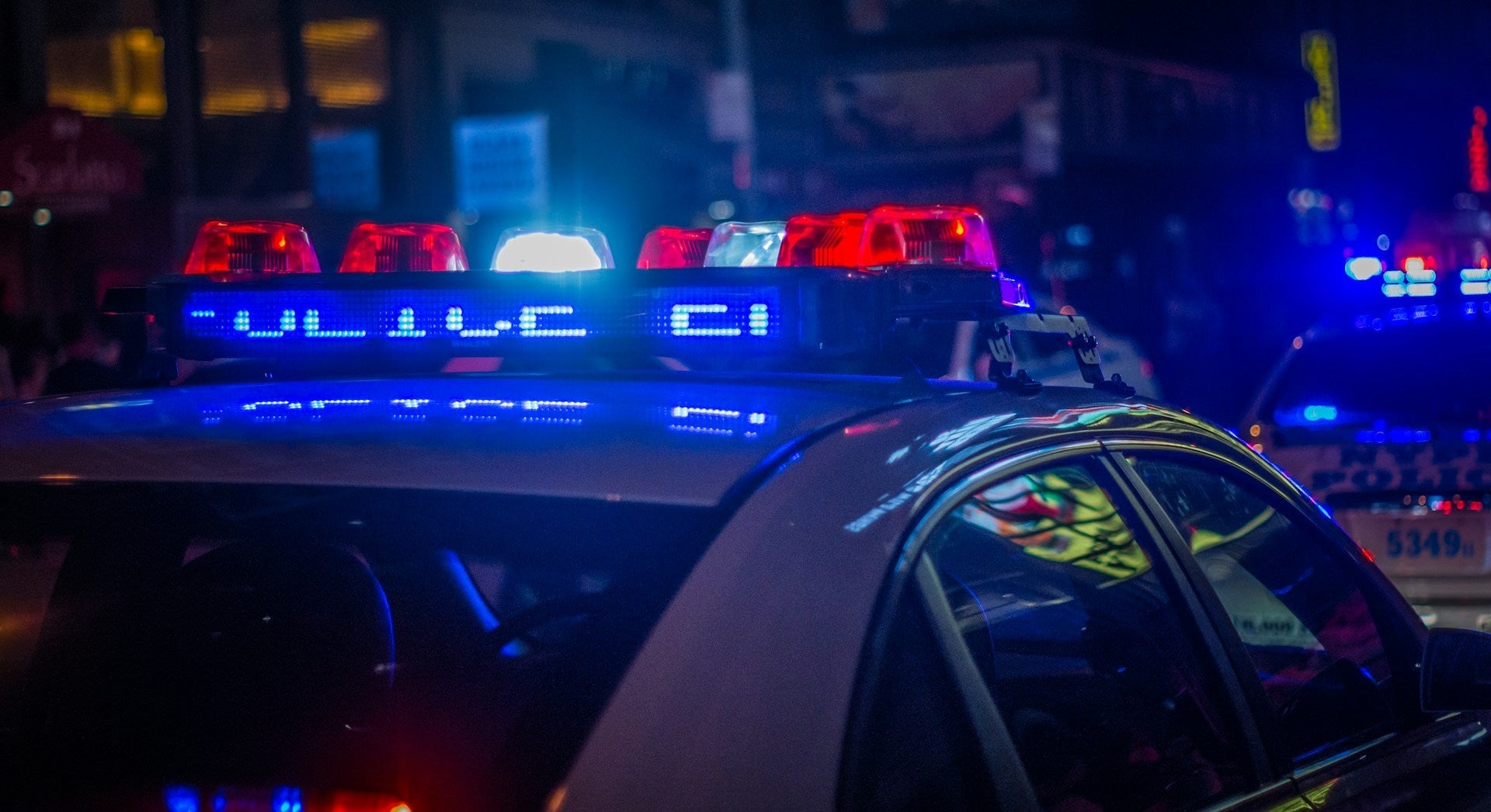
Dream Cruise week means every modified car in Southeast Michigan is out on the road at once, and every one of them is a potential traffic stop. Most drivers assume the risk is speeding, but in practice the overwhelming majority of Cruise week stops begin with something on the vehicle itself: the exhaust, the tint, the lights, the stance. Equipment violations are almost all civil infractions with small fines, and that's exactly what makes them easy to underestimate, because the ticket was never really the point. Each one is a doorway, and what walks through it is every serious charge that follows.
Why does a small ticket matter more than the fine?
On its own, an equipment violation is trivial: a modest fine and, in many cases, no points. What it does is establish a lawful basis for the stop, because under the Fourth Amendment and Michigan law, an officer who observes any traffic violation may stop the vehicle, and the officer's actual motivation is generally irrelevant if an objective violation existed. Once the vehicle is stopped, the officer is lawfully positioned to observe the odor of alcohol or marijuana, open containers in plain view, the driver's speech, eyes, and coordination, anything visible in the passenger compartment, and license and warrant status once your information runs through the system. That's the whole mechanism by which a $100 exhaust ticket becomes an OWI, a felony weapons charge, or a suspended license misdemeanor, and it's why a car built for attention deserves a driver who understands what the attention costs.
What does Michigan law say about exhaust noise?
MCL 257.707c requires every motor vehicle to be equipped with a muffler in good working order and constant operation to prevent excessive or unusual noise, and it prohibits muffler cutouts, bypasses, and similar devices, modifications that amplify or increase noise above that of the original equipment, and operating in a manner that produces excessive noise. Michigan also sets decibel limits by vehicle class and speed under MCL 257.707d, measured at fifty feet. Practically, exhaust is the number one stated reason for Cruise corridor stops, and there's no way around the arithmetic: a car built for sound is a car built for police attention.
How strict are Michigan's window tint rules?
Stricter than most drivers realize, and stricter than several neighboring states, which is how cars that were legal where they were built end up cited here. Under MCL 257.709, no tint is allowed on the front side windows except the top four inches, none on the windshield except the top four inches, while rear side windows and the rear window may be tinted, and limited medical exemptions exist with proper documentation. Tint is a civil infraction, and it's an extremely common stated basis for a stop for a simple reason: it's visible from a passing patrol car without radar, without pacing, and without any judgment call about your driving.
What else on the car draws a citation?
Lighting is regulated closely: only white or amber light may show from the front, only red or amber from the rear, blue and red flashing lights are reserved for emergency vehicles and using them is a serious matter, underglow and accent lighting is restricted, particularly in colors reserved for emergency use, and the license plate lamp must illuminate the plate so it's legible from 50 feet. That last one is worth sitting with, because a burned out plate light is the single most common pretextual basis for a nighttime stop in Michigan. Suspension draws attention too, since Michigan restricts modifications that raise or lower a vehicle beyond specified limits relative to original manufacturer specifications and regulates bumper height, so lifted trucks and slammed cars can both be cited. Beyond that, the catch all unsafe equipment provision in MCL 257.683 covers cracked windshields that obstruct the driver's view, missing or obstructed plates, including tinted plate covers and frames that cover the state name, tire tread below minimums, objects hanging from the mirror, and missing mirrors or dead signals and brake lights.
What limits still apply once you're stopped?
The stop being lawful doesn't make everything after it lawful, and real constraints remain. A stop can't be extended beyond the time reasonably needed to address its original purpose without new reasonable suspicion, so an officer who writes the tint ticket and then keeps you for twenty more minutes waiting on a K-9 has a problem. An equipment stop doesn't authorize a search of the vehicle, and officers ask to search precisely because they need permission; you can decline, and declining isn't evidence of anything. Now that adult possession of marijuana is legal in Michigan, the odor alone is substantially weaker as a basis for a vehicle search than it once was, which is actively litigated and one of the most productive suppression arguments available. Passengers may generally decline to identify themselves absent reasonable suspicion of criminal activity. When the stop is extended or expanded improperly, a motion to suppress can exclude everything that followed, and that frequently ends the case.
How should you handle a Cruise week stop?
Pull over promptly and safely, keep your hands visible, turn on the interior light at night, and provide your license, registration, and proof of insurance. Be polite, because officers on Woodward that weekend are stopping hundreds of cars and demeanor genuinely affects outcomes, but remember that you aren't required to discuss your modifications, where you're headed, or what you've had to drink. Decline consent to search clearly and without argument. If you hold a CPL and are carrying, disclose immediately as MCL 28.425f requires. Before you drive away, note the time, location, agency, and officer, and preserve your dashcam footage that night, while it still exists.
Can the ticket itself be fixed away?
Often, yes. Many Michigan courts, including those in Oakland and Wayne County, will dismiss or reduce equipment citations on proof of correction: repair the exhaust, remove the tint, replace the bulb, bring the receipt and a photo, and the citation often goes away. That's worth knowing before you simply pay it, because a paid citation is an admission of responsibility on your record and a dismissed one isn't. Most equipment violations carry no points, but they do appear on the driving record, insurance carriers see them, several minor infractions in a short window affect rates more than people expect, and Michigan's abstract stays visible for years. Where the case lands depends on the stop: citations from the Dream Cruise corridor go to the district court covering the community, the 43rd in Ferndale, the 44th in Royal Oak, the 45th in Berkley, the 48th in Birmingham, or the 50th in Pontiac, while Wayne County stops go to the 35th District Court in Plymouth and its neighbors.
Small tickets, large doors
Nobody hires a lawyer for a window tint ticket, and nobody should have to. But when a tint ticket turns into an OWI, a weapons charge, or a search that produced something, the legality of that original stop and everything that followed is the entire defense, which is exactly the work our traffic stop and traffic offense defense practice handles across Wayne and Oakland County. Call Boria Law at (734) 453-7806 if a Cruise week stop turned into something bigger. Attorney Aaron J. Boria takes apart the stop itself, from the stated equipment violation to everything the officer did after it, because when the doorway was opened improperly, whatever came through it can be pushed back out.
Quick answers
Do I have to tell the officer I'm carrying with a CPL?
Yes. If you hold a concealed pistol license and are carrying, MCL 28.425f requires you to disclose immediately when you're stopped. Do it calmly at the start of the encounter, before reaching for your documents, and follow the officer's instructions about the firearm. Failing to disclose creates a separate problem that has nothing to do with the equipment citation that started the stop.
Do passengers have to show ID at an equipment stop?
Generally, no. Passengers may decline to identify themselves absent reasonable suspicion that they're involved in criminal activity, because the equipment violation belongs to the vehicle and its driver. The driver, by contrast, must provide license, registration, and proof of insurance. If an officer presses a passenger for ID, the passenger can politely ask whether they're required to provide it.
Will an equipment ticket raise my insurance?
It can, even without points. Equipment citations appear on the driving record, insurance carriers see them, and several minor infractions in a short window affect rates more than people expect, with Michigan's driving abstract staying visible for years. That's a strong reason to pursue dismissal on proof of correction rather than just paying the fine, since a dismissed citation isn't an admission of responsibility.
Related reading
- Your Rights at a Traffic Stop on Woodward
- Michigan Reckless Driving and Exhibition of Speed Explained
- Why the Cooler in Your Back Seat Is a Misdemeanor
Share:
Dream Cruise Is Saturday: Michigan Reckless Driving and Exhibition of Speed Explained
Charged With Racing on a Public Highway in Michigan? MCL 257.626a Explained