
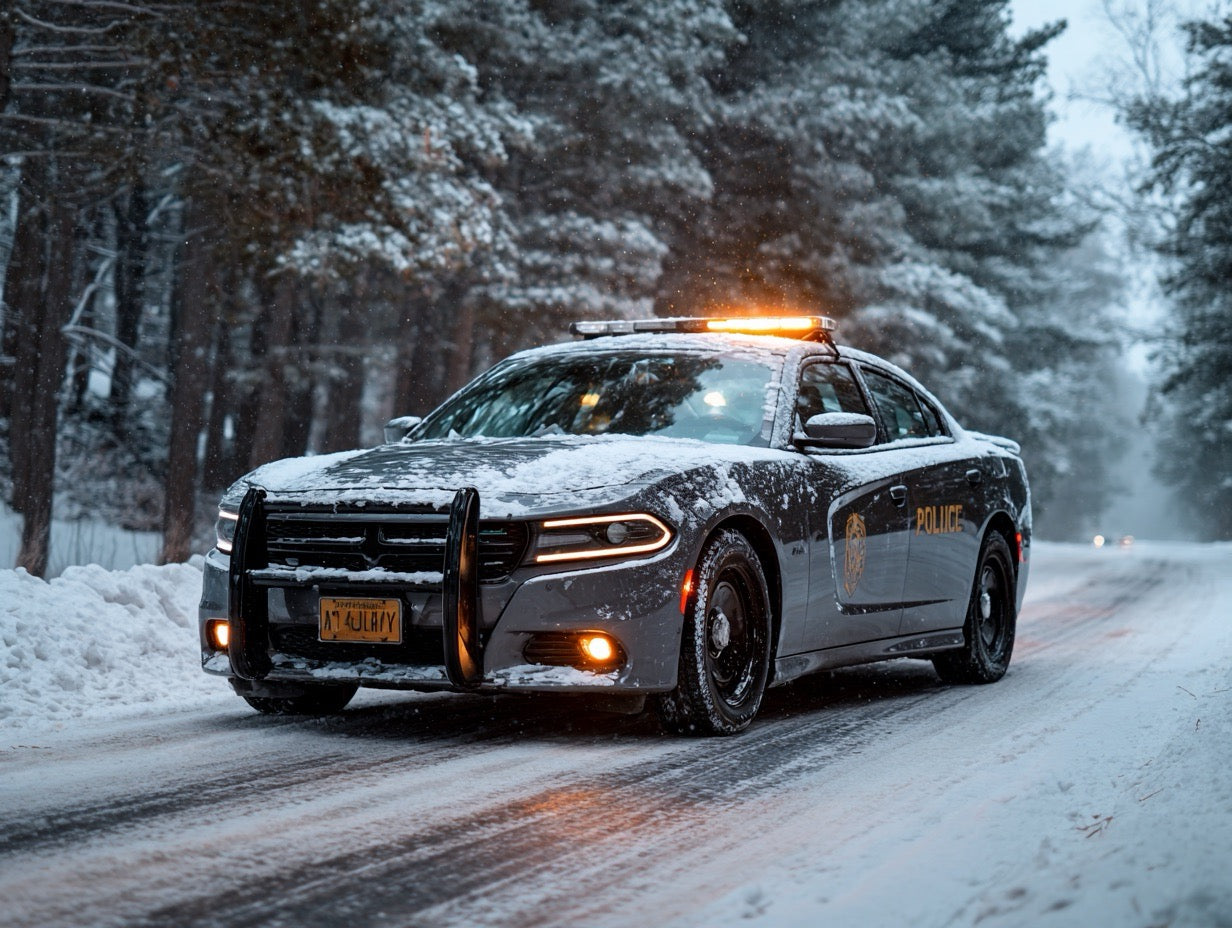
As Michigan’s winter winds down and drivers shake off months of icy roads and unpredictable weather, one thing often heats up—charges for leaving the scene of accidents, particularly those tied to snow-related collisions. When slippery roads, black ice, and low visibility contribute to fender-benders and slide-offs, it can be tempting for someone to leave the scene, especially if no one appears injured. But under Michigan law, leaving the scene of an accident, even a minor one, is a serious criminal offense that can lead to misdemeanor or even felony charges. This blog breaks down what the law says, why these charges rise as winter ends, and what you can do if you find yourself accused.
Why Leaving the Scene Cases Spike as Winter Ends in Michigan
Michigan winters are tough. Snow, slush, salt, and freezing rain make driving conditions treacherous for months at a time. As the snow begins to melt, law enforcement agencies report an uptick in hit-and-run investigations—often because minor fender-benders that might have happened during a snowstorm come to light days later. A vehicle slides, clips another car, or damages property, and the driver, not realizing the severity, continues home. Days or weeks later, they receive a call or a visit from the police about a “leaving the scene” complaint.
This rise in charges often happens because, during winter, police responses can be delayed by weather or call volume. By the time the other driver reports the incident, the evidence may consist only of vehicle damage or nearby surveillance video. As the weather improves, law enforcement has more resources to pursue these delayed reports and issue citations or warrants. Unfortunately, individuals who never intended to “flee” can find themselves suddenly accused of a criminal offense.
Michigan Law on Leaving the Scene of an Accident
Michigan has strict laws governing what drivers must do following an accident. Under MCL 257.618 and related sections of the Michigan Vehicle Code, drivers involved in an accident are legally obligated to stop and provide specific information to the other party or law enforcement. Failing to do so can lead to criminal charges—even if the accident was minor or weather-related.
1. Accidents Involving Property Damage (Misdemeanor Offenses)
If an accident results only in property damage (such as hitting another vehicle, mailbox, or fence), the law requires the driver to stop immediately at the scene. The driver must:
- Provide their name, address, and vehicle registration to the other driver or property owner, and
- Show their driver’s license if requested, and
- Report the accident to law enforcement if required.
Leaving the scene of a property damage accident is a misdemeanor punishable by up to 90 days in jail, fines up to $100, and potentially license suspension. In practice, however, these cases can still carry long-term consequences, especially if alcohol or reckless driving is suspected.
2. Accidents Involving Injury (Serious Charge)
If the accident results in personal injury to another person, the stakes rise considerably. Under MCL 257.617a, leaving the scene of an accident that caused injury is also a misdemeanor, but with penalties of up to one year in jail, fines up to $1,000, and potential driver’s license sanctions. Even for injuries that seem minor at first, being accused of leaving without reporting can trigger an arrest warrant and court summons.
3. Accidents Involving Death or Serious Injury (Felony Offenses)
If an accident results in serious impairment of a bodily function or death, and the driver knowingly leaves the scene, the offense becomes a felony. Under MCL 257.617, penalties can include:
- Up to 5 years in prison for leaving after causing serious injury, or
- Up to 15 years in prison for leaving after causing death, and
- Mandatory revocation of driving privileges upon conviction.
These felony charges carry significant life consequences and should never be handled without the help of an experienced criminal defense lawyer familiar with Michigan traffic and felony procedure.
How Snow and Ice Complicate Michigan Accident Cases
Winter weather changes the dynamic of accident investigations in several key ways:
- Visibility: When heavy snow or sleet reduces visibility, it’s possible a driver doesn’t even realize their vehicle made contact with another car or object.
- Noise and Impact: Soft snow or icy surfaces can absorb impact noise, so what feels like a bump on the road might actually be a collision.
- Obstructed Evidence: Snowbanks and salted roads often hide evidence of minor accidents—broken plastic, tire marks, or vehicle debris can quickly disappear.
- Delayed Discoveries: Homeowners may not notice damage to a fence, mailbox, or parked vehicle until snow melts away.
All of this adds up to a perfect storm for misunderstanding. When police later review surveillance footage or paint transfer reports, they may pursue the registered owner of the vehicle. Without clear communication or evidence, what began as an honest mistake can turn into a criminal case.
What Happens After You’re Accused of Leaving the Scene in Michigan
If you’re accused or receive notice of a charge for leaving the scene, the process typically unfolds through several stages. Understanding what’s ahead can make a critical difference in your outcome.
1. Initial Contact and Investigation
Often, law enforcement will reach out before filing charges. You may receive a call or visit from a local officer or state trooper asking to “discuss” damage involving your vehicle. At this stage, you are not required to make any statements that could incriminate you. It’s wise to consult a criminal defense attorney before speaking with police.
2. Citation or Warrant Issued
Depending on the circumstances, you may receive a ticket or be formally charged through a complaint and warrant. If the prosecutor believes there’s probable cause, the court can issue a warrant requiring you to appear for arraignment.
3. Arraignment
At arraignment, your charges are read in open court, and the judge sets bond conditions. For a misdemeanor, bond is often personal recognizance. For a felony, conditions may be stricter. Your attorney can request a waiver of arraignment in many district courts across Michigan to avoid unnecessary courtroom appearances.
4. Pretrial Negotiations and Motions
Your defense lawyer reviews the police report, dash or body cam footage, and any statements made. Many leaving the scene cases are built on circumstantial evidence—paint transfer, partial video, or witness observation. By challenging these elements, your lawyer may obtain a reduction or dismissal. Common negotiated outcomes include civil infractions for failure to report an accident or other non-criminal resolutions.
5. Trial and Sentencing
If the case proceeds to trial, the prosecutor bears the burden of proof beyond a reasonable doubt. Your defense might focus on lack of knowledge (not realizing there was a collision), mistaken identity, or lack of intent to flee. If convicted, sentencing may include fines, points on your driving record, probation, community service, or jail. A skilled attorney can argue for leniency and minimize penalties.
Defending a Leaving the Scene Charge in Michigan
A leaving the scene charge does not automatically mean guilt. Michigan prosecutors must prove several key elements beyond a reasonable doubt. Your attorney can examine every part of the case to identify weaknesses in the evidence. Common defenses include:
- Lack of Knowledge: The driver genuinely didn’t realize an accident occurred. This often applies in snow or ice conditions where minimal impact was felt.
- No Intent to Flee: The driver stopped briefly but didn’t know they were required to provide additional information or call police. This can be argued successfully for minor property damage incidents.
- Incorrect Vehicle Identification: Just because a vehicle has similar paint or damage doesn’t prove it was the vehicle involved in the crash.
- Emergency or Safety Concerns: In dangerous conditions, a driver who moves their vehicle to a safe location before calling police may be wrongly accused of fleeing.
- Procedural Errors by Law Enforcement: Mistakes in evidence collection, witness identification, or reporting timelines can invalidate parts of the prosecution’s case.
Each case depends on the specific facts, but these defenses are powerful when presented correctly in court.
Driver’s License Consequences for Leaving the Scene in Michigan
In addition to fines and possible jail time, leaving the scene offenses can significantly affect your driver’s license. The Michigan Secretary of State (SOS) imposes administrative penalties separate from the court process:
- Leaving the Scene of Property Damage: 6 points added to your driving record.
- Leaving the Scene of an Injury Accident: 6 points plus a possible suspension or revocation depending on prior history.
- Felony Offenses (Death or Serious Injury): Mandatory revocation of license upon conviction.
Accumulating too many points or having certain traffic-related convictions can lead to suspension, driver responsibility fees (prior to 2018), and higher insurance rates. A well-prepared defense can reduce or eliminate these collateral consequences.
What to Do After a Snow-Related Accident in Michigan
It’s always better to prevent these situations before they escalate. If you find yourself in a snow-related accident:
- Stop immediately and move to a safe area if possible.
- Check for injuries to yourself, passengers, and others.
- Exchange information with the other driver or property owner.
- Report the accident to local law enforcement if there’s any damage.
- Document everything with photographs, including damage, road conditions, and skid marks if visible.
Even if the collision seems minor, making a report protects you from future legal complications. Michigan law allows drivers to file an incident report at a police station within 24 hours if officers don’t respond to the scene.
When and Why to Call a Michigan Criminal Defense Lawyer
Leaving the scene cases can quickly become serious, even if no one was hurt and the damage was minimal. Police may interpret lack of immediate reporting as intent to evade responsibility. If you’ve been accused—especially if you’ve been contacted by law enforcement—it’s time to call for legal help right away.
Criminal defense lawyer Aaron J. Boria has handled leaving the scene and traffic-related criminal charges throughout southeast Michigan. We have successfully negotiated reduced charges and obtained dismissals when evidence didn’t support the claims. Don’t risk your record or license—speak with an experienced attorney before answering police questions or appearing in court.
Get Help Now
If you or someone you know has been charged with leaving the scene of an accident in Michigan, don’t face it alone. Whether your case involves snow, ice, or just a misunderstanding, we can help you navigate the courts and protect your future. Call Aaron J. Boria at (734) 453-7806 today to discuss your situation confidentially. Every moment counts in building the right defense.
Conclusion
As winter fades and the roads begin to clear, Michigan drivers often face a surprising spike in legal trouble related to snow-season accidents. Leaving the scene of an accident—even when caused by icy roads or low visibility—can result in harsh penalties and long-term consequences. Fortunately, with the right legal strategy, many of these cases can be resolved favorably. Understanding your rights, the law, and the process is the first step toward protecting yourself.
If you’re worried about a leaving the scene charge or need help navigating Michigan’s traffic laws, call (734) 453-7806 for a free consultation. You deserve a defense that understands not only the law but also the real-world factors that make Michigan’s winter driving so challenging.
Share:
Driver’s License Restoration in Michigan: The Benefits of Filing in Early Spring Explained
NCAA Tournament Weekends: Examining the Rise of Assault and Disorderly Conduct Charges in Downtown Plymouth