
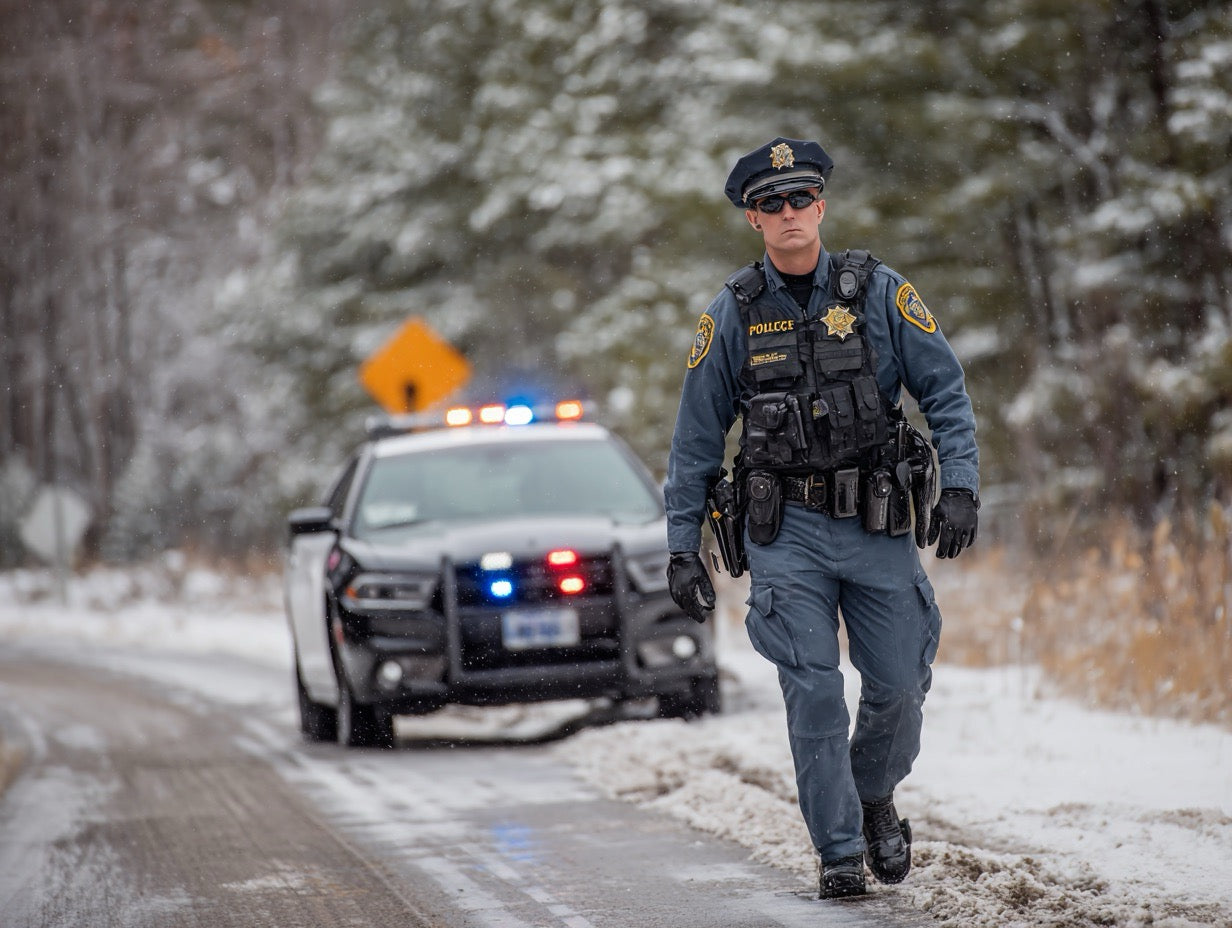
Michigan weather in March is unpredictable. You might leave your house in a winter coat only to find yourself shedding layers by the afternoon. For most people, these temperature swings are just an inconvenience. But for someone pulled over on suspicion of drunk driving, the difference between a frigid night and a mild one could mean the difference between being found guilty or walking free. Field sobriety tests (FSTs), which police officers commonly use to determine whether a driver is impaired, can be affected by temperature, clothing, and even road conditions—all of which are critical factors in your DUI, OWI, or impaired driving case.
Understanding Field Sobriety Tests in Michigan
When a Michigan police officer suspects that someone is driving under the influence of alcohol or drugs, they typically administer a set of standardized field sobriety tests developed by the National Highway Traffic Safety Administration (NHTSA). These tests are designed to assess balance, coordination, and mental focus. However, they are not infallible, and external factors—like cold temperatures or uneven ground—can drastically affect the results.
The three standardized tests recognized in Michigan are:
- Horizontal Gaze Nystagmus (HGN) Test: The driver follows a small object, usually a pen or flashlight, with their eyes as the officer looks for involuntary jerking movements, known as nystagmus, which can indicate intoxication.
- Walk-and-Turn Test: The driver takes nine heel-to-toe steps along a straight line, turns around on one foot, and returns. The officer watches for signs such as starting too early, losing balance, or stepping off the line.
- One-Leg Stand Test: The driver stands on one leg while counting aloud until instructed to stop, typically around 30 seconds. The officer watches for swaying, hopping, or putting the foot down.
These tests assume the driver is on a flat, dry, and stable surface under normal environmental conditions. But March in Michigan rarely offers “normal” conditions.
The Effect of Cold Weather on Field Sobriety Tests
Cold temperatures on a Michigan March night can have a profound effect on a person’s ability to perform field sobriety tests. Imagine being asked to walk heel-to-toe when your legs are stiff from 25°F air, or standing on one leg while your body shivers involuntarily. Several physiological and environmental factors make these tests less reliable in the cold:
1. Physiological Reactions to Cold
When your body temperature drops, even slightly, your muscles can become tense and coordination may decline. Shivering and stiff joints can mimic signs of intoxication, such as loss of balance or swaying. These physiological changes have nothing to do with alcohol consumption but can appear to police as evidence of impairment.
2. Clothing and Footwear
In March, Michigan drivers might be wearing heavy winter boots or multiple layers of clothing. Bulky coats restrict arm movement and prevent easy balance. Snow or ice on footwear can make walking in a straight line far more difficult than it appears to an observing officer.
3. Road Conditions
Sidewalks, shoulders, and roadsides may be covered with ice patches or frost late at night. Standing on uneven or slippery ground increases the chance of an unsteady stance or misstep, which officers may misinterpret as signs of impairment.
4. Impact on Cognitive Focus
Cold conditions divert your brain’s attention toward maintaining body warmth, which can reduce concentration. For example, trying to focus on counting or following precise instructions becomes harder when your body is reacting to cold stress.
Each of these factors can negatively influence your field sobriety performance, even if you haven’t had a single drink. A skilled Michigan criminal defense lawyer can point out these environmental and physical variables when challenging the officer’s conclusions in court.
Warmer March Nights: A Different Story but Still Risky
Not every March night in Michigan is freezing. Temperatures in the 40s or even 50s can make conditions seem more favorable for field sobriety testing. However, issues still exist even on those milder evenings. Wind, darkness, traffic noise, and fatigue from long days still pose reliability concerns.
For example, warmer nights might lead people to relax outdoors or enjoy patios, where alcohol consumption tends to occur over several hours. Fatigue from a late evening can mimic cognitive impairment, and uneven surfaces near parking lots or gravel lots—common areas where stops occur—still affect balance and coordination.
Officers sometimes assume that mild weather means fewer excuses for imperfect test performance. But that assumption isn’t always fair. Lighting conditions can vary, with motorists being tested under dim headlights or flashing red and blue police lights. These visual distractions can interfere with balance and eye-tracking tests such as the HGN. Even minor distractions or misinterpretations can create reasonable doubt about whether the test results truly indicate intoxication.
Michigan Law and Field Sobriety Tests
Under Michigan law, field sobriety tests are not mandatory. You have the right to politely decline them. However, if you refuse a chemical breath, blood, or urine test after arrest, that is considered an implied consent violation, which can lead to license suspension. But refusing field sobriety tests, before a formal arrest, does not carry such automatic penalties.
It’s important to note that poor performance on these tests often becomes key evidence in an OWI or DUI prosecution. Prosecutors use an officer’s observations—such as “the suspect swayed,” “the suspect stepped off the line,” or “the suspect missed a number during counting”—to argue that you were impaired. But Michigan defense attorneys know that these interpretations are subjective.
In cases where weather or temperature was a factor, the defense can challenge whether the officer properly accounted for environmental conditions. The officer’s training manual itself states that uneven surfaces, poor lighting, or inappropriate footwear can affect test validity. Therefore, a defense lawyer can argue that test results under such conditions were unreliable and should not be admissible or should be given little weight by the judge or jury.
Environmental Challenges Unique to Michigan in March
Michigan has some of the most variable weather patterns in the country. March can bring snow, freezing rain, or mild breezes in the span of a single week. Each of these conditions can alter how field sobriety tests are conducted and interpreted:
- Lighting Conditions: Many roadsides are poorly lit, especially rural areas. The flashing lights from police vehicles can distort depth perception.
- Wind Chill: Even if the air temperature reads 35°F, wind chill can make it feel below freezing. Drivers tested near open highways face strong gusts that affect balance.
- Surface Quality: The shoulders of Michigan highways often contain cracks, slopes, or gravel that make walking heel-to-toe nearly impossible under normal circumstances.
- Fatigue and Late Nights: Most DUI stops happen between 11:00 p.m. and 2:00 a.m. when fatigue naturally reduces motor coordination, regardless of drinking.
Your attorney can highlight each one of these factors as part of your defense, showing that your behavior during testing was consistent with natural human responses to environmental stress—not intoxication.
Defense Strategies Based on Weather Conditions
When defending an OWI case in Michigan, your lawyer should examine every aspect of the field sobriety tests, including the time of night, temperature, surface type, and video evidence if available. Some common approaches include:
1. Challenging Officer Observations
Police officers are trained to look for specific “clues” during field sobriety testing, but these clues can be caused by non-alcohol-related factors. For example, an officer may testify that you “exhibited swaying,” but video footage could show you standing still on a windy or icy shoulder.
2. Introducing Environmental Evidence
Your attorney can bring in weather records, photographs of the testing area, and documentation of temperature readings to show that conditions were not conducive to reliable testing. This objective evidence helps undermine subjective police testimony.
3. Expert Testimony
In some cases, expert witnesses—such as forensic toxicologists or biomechanics specialists—can explain how cold weather interferes with muscle control or balance. These experts can help jurors understand that failing a field sobriety test doesn’t necessarily equal impairment.
4. Arguing Lack of Probable Cause
If the only basis for your arrest was poor field sobriety performance in unfavorable conditions, your attorney may argue there was no probable cause for the arrest. Without proper probable cause, any subsequent breath or blood test could be suppressed under Michigan law.
How Michigan Courts Evaluate Field Sobriety Test Evidence
Michigan judges and juries are required to evaluate all evidence in light of reason and common sense. If your attorney can show that weather or road conditions compromised your test performance, the court may consider that factor when determining whether the officer’s observations were dependable.
Furthermore, police are expected to document conditions at the time of testing, including temperature, lighting, and surface quality. Failing to record this information can weaken the prosecution’s case. A good defense lawyer will examine the officer’s report for these omissions and cross-examine accordingly.
What to Do If You’re Pulled Over on a Cold or Warm March Night
If you are pulled over during Michigan’s unpredictable March weather, staying calm and making smart choices can significantly impact the outcome of your case.
- Stay polite but avoid volunteering unnecessary information. Anything you say can be used against you later.
- Remember that you are not legally required to perform field sobriety tests.
- If you are asked to step out of the vehicle, be cautious about your footing—especially if the ground is icy or uneven.
- After any arrest, write down or record your memory of the conditions, including temperature, wind, lighting, and footwear, while it’s still fresh in your mind.
Getting Professional Legal Help
If you have been charged with OWI, DUI, or impaired driving after field sobriety testing in Michigan, you should contact an experienced defense attorney immediately. Attorney Aaron J. Boria has successfully challenged field sobriety evidence in courts across the state, showing how environmental and physical factors can lead to unfair arrests.
Call (734) 453-7806 today for a free consultation. You’ll speak directly with an attorney who knows the law, understands Michigan’s unpredictable weather conditions, and can build a defense around the facts of your specific case.
Conclusion
The weather in March often plays an overlooked but vital role in Michigan OWI cases. Whether you were pulled over on a night with biting winds or balmy spring temperatures, your ability to perform field sobriety tests can be heavily influenced by environmental conditions. These tests are not as straightforward as prosecutors make them seem, and failing one does not automatically prove intoxication.
A careful legal analysis—one that reviews dashcam footage, weather reports, and officer testimony—can uncover the truth behind poor field sobriety performance. Don’t let unpredictable March weather turn an honest mistake into a criminal conviction.
Call Aaron J. Boria, PLLC at (734) 453-7806 for skilled representation and a personalized strategy for your case. Protect your rights, challenge unreliable evidence, and put an experienced Michigan DUI attorney on your side.
Share:
How a Spring Break Arrest Can Impact Your Graduate School Admission and Professional Licensing Opportunities
Arrested in Plymouth This Month? Understanding the Speed of Your Case in 35th District Court