
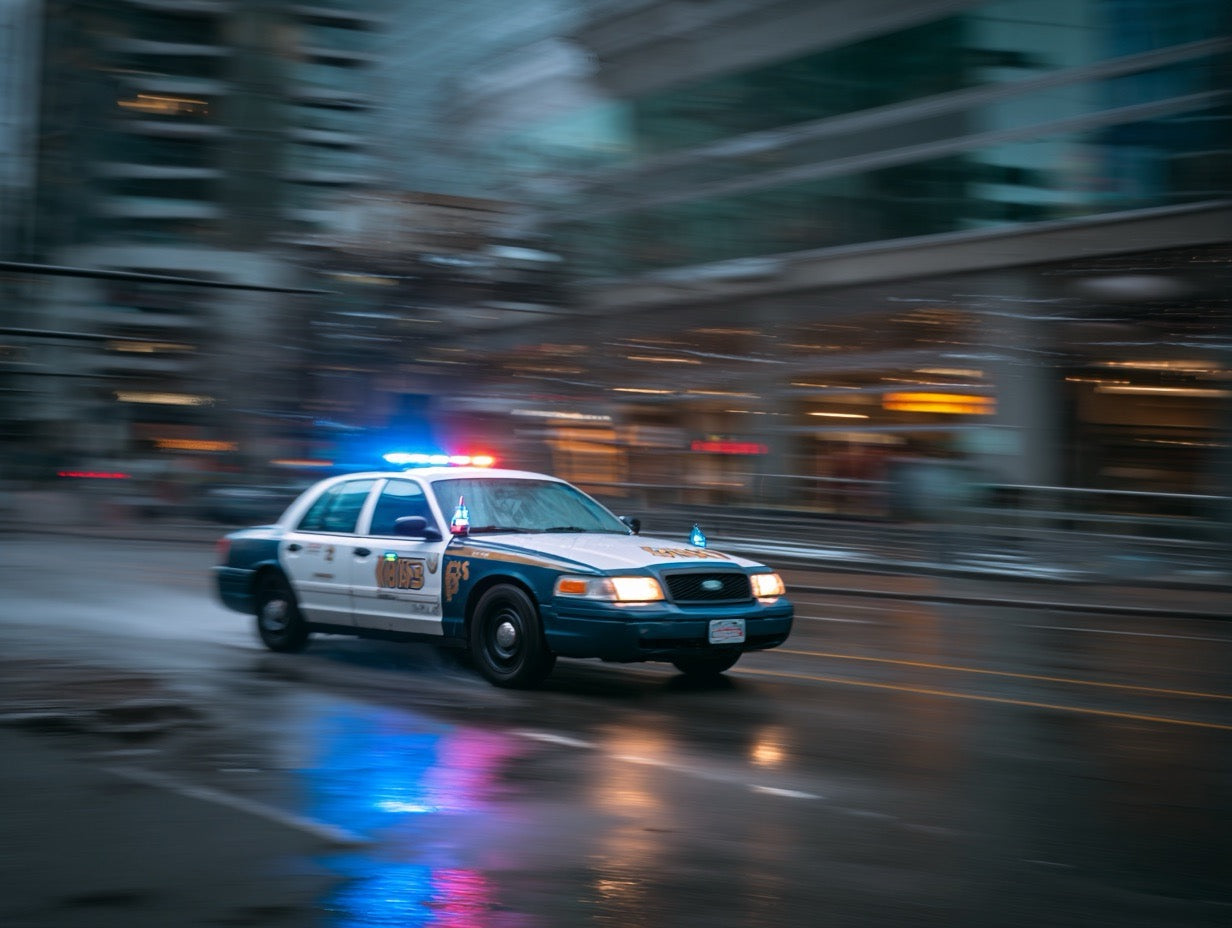
As the weather warms up in Plymouth and Canton, Michigan, motorcycle riders are eager to hit the road again. April marks the unofficial start of motorcycle season, but it also brings an increase in law enforcement activity and motorcycle-related traffic stops. While riding can be thrilling and freeing, it’s critical for motorcyclists to understand Michigan’s traffic and criminal laws—especially those related to reckless driving, Operating While Intoxicated (OWI), and fleeing or eluding police. These offenses carry serious penalties that can threaten your driver’s license, freedom, and future. This article explains these common charges, what they mean under Michigan law, and what you can do to protect yourself if you’re accused of a crime while riding this season.
Reckless Driving: What Every Michigan Rider Should Know
Motorcyclists are often more visible on the road during the spring and summer months, and unfortunately, that attention isn’t always positive. Police officers may interpret certain riding behaviors—like quick lane changes, speeding, or wheelies—as reckless, even when a rider feels in control. Under MCL 257.626, reckless driving is defined as “operating a vehicle in willful or wanton disregard for the safety of persons or property.”
This means that the prosecution must prove that your riding was more than simply careless—it must show that you intentionally disregarded obvious risks to safety. In other words, the State must prove that you knew, or should have known, that your actions could cause harm and chose to do it anyway.
Examples of Alleged Reckless Driving on Motorcycles
- Weaving through traffic at high speeds
- Riding on one wheel or “popping wheelies” on public roads
- Passing vehicles on the shoulder
- Engaging in a “group ride” that ignores traffic laws
- Riding at extreme speeds in residential areas
Penalties for Reckless Driving in Michigan
If you are convicted of standard reckless driving, it’s a misdemeanor punishable by:
- Up to 93 days in jail
- Fines up to $500
- License suspension for 90 days
- Six points added to your driving record
However, if reckless driving causes serious injury or death, Michigan law increases the penalties dramatically:
- Reckless driving causing serious impairment of body function: Felony punishable by up to 5 years in prison and fines up to $5,000.
- Reckless driving causing death: Felony punishable by up to 15 years in prison and fines up to $10,000.
Riders should understand that law enforcement takes these cases seriously, especially when pedestrians or other motorists are involved. Having an experienced criminal defense attorney is crucial to analyzing evidence, witness statements, and whether the alleged conduct truly meets the definition of “reckless.”
Operating While Intoxicated (OWI) on a Motorcycle
Operating While Intoxicated—or OWI—is Michigan’s primary drunk or drugged driving law. Under MCL 257.625, it’s illegal to operate a vehicle (which includes motorcycles) while:
- Your blood alcohol concentration (BAC) is 0.08% or higher
- You are under the influence of alcohol, drugs, or a combination of both
- You have any amount of certain controlled substances (like marijuana or cocaine) in your system
The law does not distinguish between driving a car or a motorcycle—the same BAC limit and penalties apply. However, for riders, even a minimal level of intoxication can create safety risks given the balance and coordination required to operate a bike.
OWI vs. OWVI vs. “Super Drunk” in Michigan
- OWI (Operating While Intoxicated): BAC of 0.08% or greater or being under the influence of a substance affecting your ability to operate safely.
- OWVI (Operating While Visibly Impaired): A lesser charge used when impairment is observed, even if BAC is under 0.08.
- High BAC or “Super Drunk”: BAC of 0.17% or higher, with harsher penalties including longer license suspension and mandatory alcohol treatment.
OWI Penalties for Motorcycle Riders
Penalties for a first-offense OWI can include:
- Up to 93 days in jail
- Fines up to $500
- License suspension for 30 days followed by 150 days of restriction
- Possible community service
- Six points on your driving record
For second and third offenses, penalties escalate sharply. A third OWI is a felony with up to 5 years in prison, fines up to $5,000, and mandatory license revocation. In addition, your motorcycle can be impounded or even forfeited under certain circumstances.
Defenses to OWI Charges
Every case is unique, and there are often valid defenses to OWI charges, such as:
- Improper breath or blood testing procedures
- No valid legal reason for the traffic stop
- Medical conditions affecting test results
- Invalid field sobriety tests performed on uneven pavement or while balancing a heavy motorcycle
A skilled OWI defense attorney will examine the evidence closely—often reviewing body camera footage, police reports, and maintenance records for the testing equipment. A single error in procedure can be the difference between conviction and dismissal.
Fleeing and Eluding Police: What it Means for Motorcyclists
Fleeing and eluding is another serious charge that motorcycle riders in Michigan may face. Many of these cases begin with a misunderstanding—a rider doesn’t notice an officer’s lights and sirens, or there’s confusion during a group ride. Yet prosecutors treat fleeing and eluding as one of the most serious traffic-related felonies.
Under MCL 257.602a, fleeing and eluding occurs when a driver “willfully fails to obey” a lawful signal from a uniformed police officer directing them to stop their vehicle. The severity of the charge depends on the circumstances and the outcome of the incident.
Degrees of Fleeing and Eluding Charges
- Fourth Degree: Fleeing after being signaled to stop—punishable by up to 2 years in prison and fines up to $2,000.
- Third Degree: If the incident involves speeding 35 mph or more over the limit, causes a collision, or occurs in an area with controlled access or speed zones—up to 5 years in prison.
- Second Degree: If someone suffers serious injury during the incident—felony punishable by up to 10 years in prison and fines up to $10,000.
- First Degree: If fleeing or eluding causes a death—felony punishable by up to 15 years in prison and fines up to $15,000.
When Does a Motorcycle Stop Become “Fleeing”?
The key element in fleeing and eluding cases is that the action must be “willful.” That means you knowingly ignored a lawful signal to stop. If visibility, noise, or traffic conditions prevented you from seeing or hearing the officer, that may provide a defense. Similarly, riding gear such as full-face helmets can make it hard to notice emergency lights in daylight, particularly if they approach from behind.
In addition, police must identify themselves clearly as law enforcement and be in an official vehicle displaying adequate markings and lights. If those conditions aren’t met, the charge may not hold up in court.
The Local Court Process in Plymouth and Canton
If you’re charged with reckless driving, OWI, or fleeing and eluding in Plymouth or Canton, your case will likely be handled in the 35th District Court located at 660 Plymouth Rd, Plymouth, MI 48170. This court serves both communities and handles misdemeanors and preliminary hearings for felony offenses.
Arraignment
After your arrest, your first court appearance is the arraignment, where you’ll hear the formal charges against you, learn your rights, and usually enter a plea of not guilty. Bond conditions may include restrictions on driving or consuming alcohol.
Pretrial Conferences and Motions
Before your case reaches trial, your attorney can file motions to challenge the initial stop, the search or seizure of your bike, or the reliability of evidence. This is also when plea negotiations may take place.
Trial
If the case goes to trial, the prosecution must prove every element beyond a reasonable doubt. For example, in an OWI case, they must prove you were operating the motorcycle, that you were under the influence, and that the testing procedures were correctly administered. Any flaw can lead to reduced charges or a dismissal.
Sentencing
If you are found guilty or plead guilty, sentencing will follow. Judges in the 35th District Court take into account your driving record, the nature of the offense, and your cooperation with the court. Alternative sentencing options—like probation, alcohol treatment programs, or educational courses—may be available for certain cases.
Building a Strong Defense for Motorcycle-Related Charges
Every case is unique, and just because you were stopped or accused doesn’t mean you’re guilty. Skilled defense lawyers understand how to use the details of your ride, the officer’s conduct, and the state’s evidence to your advantage. Common defense strategies may include:
- Questioning whether law enforcement had a legitimate reason for the stop
- Challenging the assumption that behavior was “reckless” or “willful”
- Examining video footage from dashcams or helmet cameras
- Pointing out inconsistencies in officer testimony or observation
- Examining maintenance and calibration records of breath or blood testing devices
In motorcycle-related cases, perspective matters. A maneuver that may look aggressive to a car driver might be standard or even necessary for a rider’s safety. A thorough defense requires understanding riding behavior and how it applies under Michigan law.
Staying Safe and Legally Aware This Motorcycle Season
Spring and summer bring freedom on the open road, but they also bring increased police attention and traffic enforcement. To stay safe and avoid unnecessary charges this season:
- Ensure your motorcycle is properly registered and insured
- Avoid modifications that violate Michigan’s noise and equipment laws
- Don’t mix alcohol or controlled substances with riding
- Use reflective gear for visibility and record rides when possible
- Stay aware of local laws that apply to group rides or charity rides
Understanding the law—and what officers look for—can go a long way in preventing a traffic stop from turning into something more serious.
Getting Legal Help After a Motorcycle Arrest
If you’re a rider in Plymouth or Canton facing charges such as reckless driving, OWI, or fleeing and eluding, it’s vital to act quickly. The decisions made in the first days after your arrest can affect the outcome of your case for years to come. You have the right to an attorney who knows the local courts, understands Michigan’s motorcycle laws, and can fight to protect your record and your license.
Attorney Aaron J. Boria has extensive experience defending riders throughout Michigan. From negotiating dismissals to challenging unwarranted stops, Boria Law has built a track record of successful outcomes for clients facing serious driving offenses.
Contact Boria Law today at (734) 453-7806 for a free consultation. You can also learn more about Michigan criminal defense law by visiting criminal defense lawyer Aaron J. Boria’s homepage.
Don’t wait until your court date is around the corner. Your defense starts today with sound legal advice and the right attorney in your corner.
Conclusion
April motorcycle season in Plymouth and Canton is a reminder of why riders love Michigan’s roads—beautiful routes, open skies, and a true sense of freedom. But with that freedom comes responsibility and awareness of the laws designed to keep everyone safe. Reckless driving, OWI, and fleeing charges are serious legal matters that can drastically change your life if not handled properly.
By riding safely, understanding Michigan law, and taking immediate action when facing charges, you can minimize the risks to your license, finances, and future. Whether it’s your first offense or you’re dealing with multiple allegations, getting professional guidance is the best way to protect yourself.
If you’re riding in Plymouth or Canton and find yourself accused of one of these offenses, call Aaron J. Boria, Michigan criminal defense lawyer, at (734) 453-7806. Knowledge, experience, and a strategic defense can make all the difference this motorcycle season.
Share:
Arrested at Plymouth or Northville Spring Festival: Understanding Disorderly Conduct, MIP, and Open Intox Charges at Outdoor Events
Accused of Theft at a Downtown Plymouth Vendor Event? What Misunderstandings Can Lead To